October 9, 2026
Published


Fall in Charlotte brings cooler mornings, changing leaves, and a much-needed break from the summer heat. But before we know it, those crisp mornings will turn into freezing nights, and the last thing any homeowner wants is to wake up to a burst pipe.
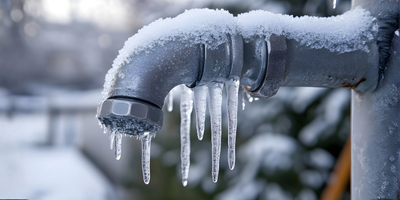
When water freezes inside a pipe, it expands and builds pressure that can cause the pipe to split. What starts as a little ice can quickly turn into water damage, expensive repairs, and a major headache.
Fortunately, a little preparation goes a long way. Here are five ways to protect your home's plumbing before winter arrives.
Leaving a garden hose attached to an outdoor faucet might not seem like a big deal, but it can trap water inside the connection. When that water freezes, it can damage the faucet or even cause a pipe to burst inside your wall.
Before the first freeze, disconnect your hoses, drain any remaining water, and put them away for winter. If your outdoor faucets have indoor shutoff valves, turn them off and drain the lines.
Even frost-proof faucets can freeze if a hose is left connected. Adding an insulated faucet cover is another inexpensive way to help protect your outdoor plumbing. If you have an irrigation system, make sure it's properly winterized as well.
Not every pipe in your home gets the benefit of indoor heating. Plumbing in crawl spaces, attics, garages, and along exterior walls is especially vulnerable when temperatures drop.
Foam pipe insulation is an affordable way to add protection to exposed pipes. You'll also want to seal gaps where cold air can enter around plumbing lines and keep garage doors closed during freezing weather.
When a particularly cold night is in the forecast, open cabinet doors beneath sinks on exterior walls to allow warm air to circulate. During prolonged freezing temperatures, letting a faucet drip slightly may also help reduce the risk of frozen pipes.
And if you're traveling for the holidays, don't turn your heat completely off! Keep your thermostat set to at least 55°F while you're away.
That slow drip under the kitchen sink might be easy to ignore now, but small plumbing problems have a way of turning into bigger ones when you least expect them.
Take a few minutes to check beneath sinks, around toilets, and near your water heater and washing machine. Look for moisture, water stains, corrosion, or anything that doesn't seem quite right.
If you spot a leak or suspect something is wrong, it's better to schedule a plumbing repair now than deal with an unexpected emergency in the middle of winter.
If a pipe bursts, knowing how to quickly turn off your home's water supply can save you thousands of dollars in potential damage.
Your main shutoff valve is typically located where the water line enters your home, often in a garage, crawl space, basement, or utility area.
Take a moment to find yours and make sure it's accessible. If it's stuck, leaking, or difficult to operate, have a licensed plumber take a look before an emergency happens.
Most importantly, make sure everyone in your household knows where it is. It's one of those things you hope you'll never need, but you'll be glad you know if you do!
Most homeowners know the importance of seasonal HVAC maintenance, but your plumbing system deserves some attention, too.
A professional plumbing inspection can catch problems that are easy to miss, like aging pipes, worn connections, slow leaks, and faulty shutoff valves. Taking care of these issues early can help you avoid unexpected repairs and keep your plumbing running smoothly year-round.
Charlotte Mechanical's Plumbing Simple Service Plan makes it easy to stay ahead of potential problems. With an annual 100+ point plumbing inspection, cleaning, and expert recommendations, our experienced plumbers help you protect one of your home's most important systems.
What temperature do pipes freeze at?
Water freezes at 32°F, but that doesn't mean your home's pipes will freeze as soon as the temperature dips below freezing. The risk depends on how long temperatures stay low, where your pipes are located, and how well they're insulated. Exposed or poorly insulated pipes are especially vulnerable.
Can pipes freeze in Charlotte, NC?
Absolutely! While Charlotte winters are relatively mild, freezing temperatures are common enough to put unprotected plumbing at risk. Pipes in crawl spaces, garages, and exterior walls are particularly susceptible during cold snaps.
How can I tell if a pipe is frozen?
One of the first warning signs is little or no water coming from a faucet. You might also notice frost on exposed pipes or unusual odors coming from a drain. If you suspect a frozen pipe, avoid using an open flame to thaw it.
What should I do if a pipe bursts?
Turn off your home's main water supply immediately to help limit water damage, then contact a licensed plumber for emergency plumbing repair.
A little preparation today can help you avoid a major plumbing headache when winter weather arrives.
Whether you need seasonal plumbing maintenance, help with a leak, or a new plumbing installation, Charlotte Mechanical's residential plumbing team is here to help. We proudly provide professional plumbing services to homeowners throughout Charlotte, NC, and the surrounding communities.
Don't wait for freezing temperatures to put your plumbing to the test. Contact Charlotte Mechanical today to schedule your plumbing service or learn more about our Plumbing Simple Service Plan.